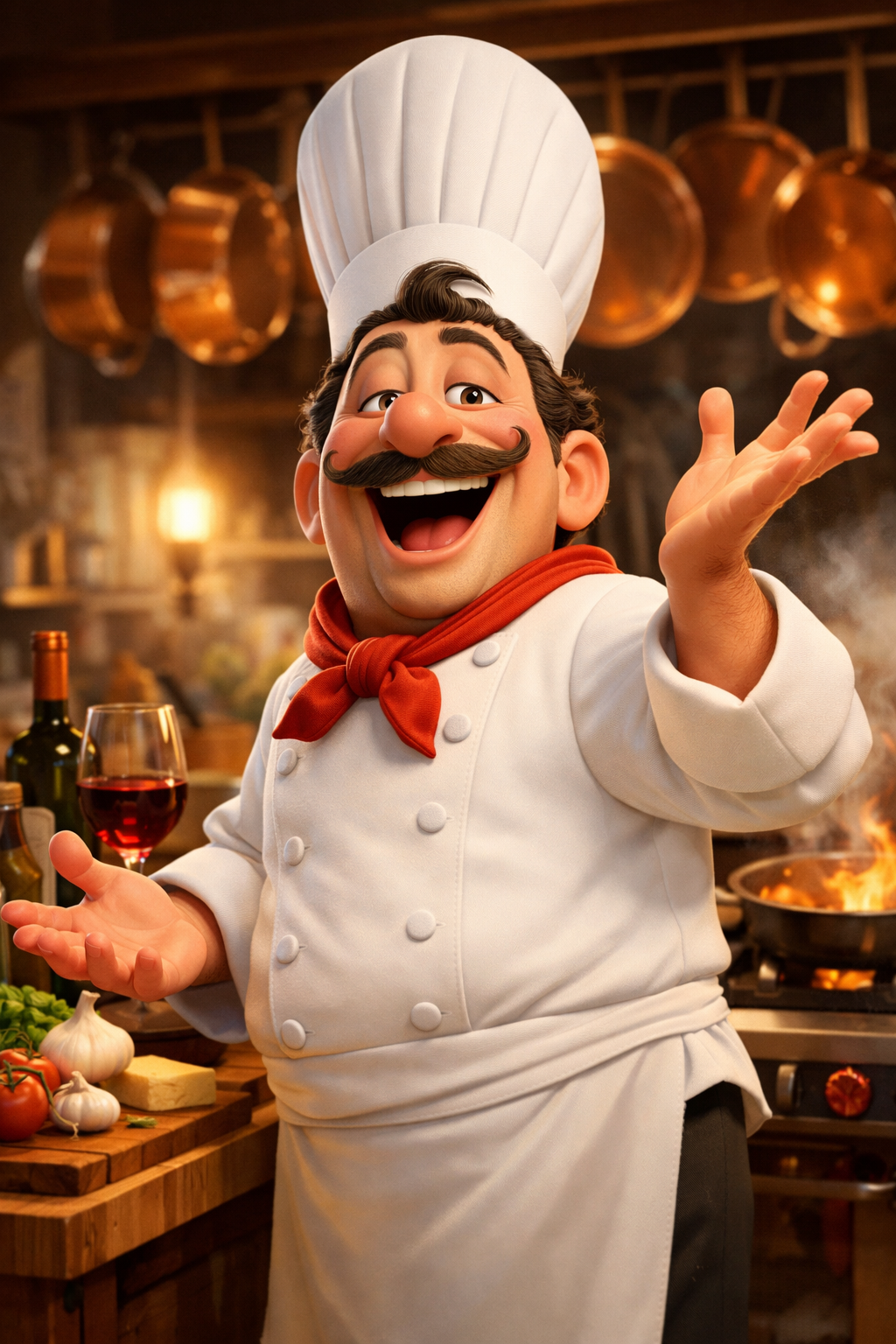
A whole chicken, a fistful of herbs, and the courage to leave the oven alone.
A roast chicken is not a recipe. It is a little trial by fire, fat, and restraint. Everyone wants to interfere. Everyone wants to baste, rotate, prod, whisper encouragement through the oven door. Do not. The bird has heard enough from you.
This version is what I make when I want the kitchen to smell like a room people remember. Butter under the skin. Lemon in the cavity. Garlic surrendering beside potatoes that become, frankly, indecent. There is no cleverness here. Only heat, patience, and salt placed with conviction.
A word on the skin, because this is where people fail in public. Dry it as if your reputation depends on it. Then salt it earlier than feels natural. Salt pulls moisture, then gives it back, seasoned and serious. Butter is not a moisturizer here; it is a small architectural decision.
When it comes out, it must rest. Not because cookbooks enjoy making you wait, but because the juices are moving like a crowd leaving the theatre. Let them find their seats. Fifteen minutes. Pour wine. Pretend this was your plan all along.
Heat the oven and dry the bird. Set the oven to 425°F. Pat the chicken dry inside and out. Then do it again, because the first time you were polite.
Let it sit on the counter while the oven heats. A cold bird in a hot oven cooks badly and resents you. This is not superstition; it is physics.
Large proteins do not stop cooking the moment they leave the oven. Heat continues moving inward while the surface cools. That final rise is why we rest the chicken, and why a thermometer is better than your hopes.
Butter under the skin. Loosen the skin over the breast with your fingers. Slide half the softened butter underneath and rub it over the meat. The rest goes over the outside.
Season aggressively with salt and pepper. Inside the cavity: lemon, garlic, thyme, rosemary. Tie the legs if you have twine. If not, cross them and ask them to behave.
Prepare the pan. Toss the potatoes and shallot with olive oil, salt, and pepper. Push them to the edges of the roasting pan. Pour in the wine. Place the chicken in the center like the unreasonable monarch it is.
Roast without theatrics. Put the pan in the oven. Roast until the thigh reaches 165°F, about 55 to 65 minutes. Do not baste. Do not peek every ten minutes. The skin is crisping because you are leaving it alone.
If the potatoes look thirsty halfway through, tilt the pan and spoon a little juice over them. Not the bird. The potatoes. They have earned it.
Rest. Really rest. Lift the chicken to a board and tent it loosely with foil. Leave it alone for 15 minutes. This is where the juices settle and the roast becomes generous instead of dramatic.
During the rest, the temperature evens out. This is carryover, and it is not negotiable.
Fresh from the oven, the juices in a roast are still moving toward the surface. Slice immediately and they run across the board. Resting gives the muscle fibers time to relax and hold moisture. It is not delay. It is finishing.
Read the full piece at How To: Food EditionWake the pan. While the chicken rests, skim off excess fat and set the roasting pan over medium heat. Scrape up the browned bits. Add a splash more wine if the pan looks severe. Reduce until it shines.
Carve, spoon, serve. Carve the chicken, spoon potatoes and pan juices around it, and squeeze the roasted garlic from its skins onto bread or directly onto the plate. Both are correct.
Bring it to the table before anyone asks if dinner is ready. Dinner has been ready. You are simply making an entrance.
The whole of this recipe is a study in heat transfer and restraint. Dry skin browns because moisture is the enemy of crispness. Butter under the skin bastes the breast from the inside, where it can do actual work instead of sliding dramatically into the pan.
The second lever is salt. Salt moves slowly into meat, seasoning deeper than the surface when you give it time. It also helps the skin shed moisture, which is why the chicken goes into the oven looking almost too dry and comes out sounding like it has secrets.
The third lever is resting. Heat keeps traveling inward after the bird leaves the oven. The juices settle. The skin tightens. The potatoes sit in the pan and become better people. This is why the recipe asks you to wait, and why waiting feels like discipline instead of delay.